
Description
The Challenge
The client was preparing to launch a new premium treats product into a saturated UK healthy snack category dominated by functional messaging (low sugar, high protein) and commoditized formats.
We found that the core market gap was emotional positioning and purchase clarity. Target consumers wanted indulgent snacks that aligned with wellness and lifestyle identity, yet most offerings felt generic, overly health-focused, or uninspiring.
Operationally, the client held typical early-stage constraints:
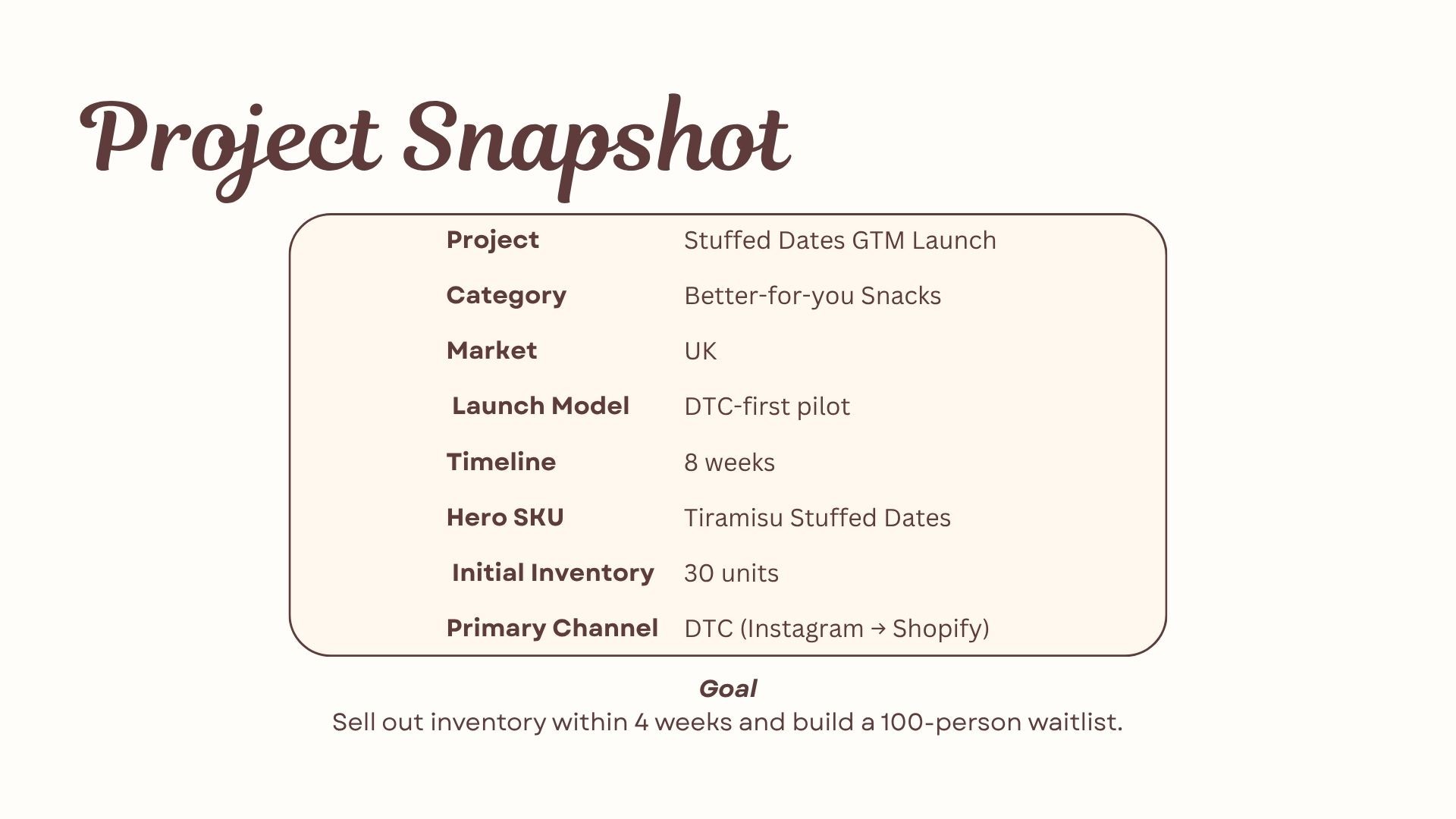
Limited inventory (30 units for the pilot)
No retail distribution at launch
Need for fast validation before scaling production
A structured Go-To-Market (GTM) strategy was necessary to:
Validate demand with minimal financial risk
Establish a clear value proposition before pursuing retail
Build an early adopter base capable of driving repeat purchases and referrals
For this pilot launch, we settled on a measurable objective:
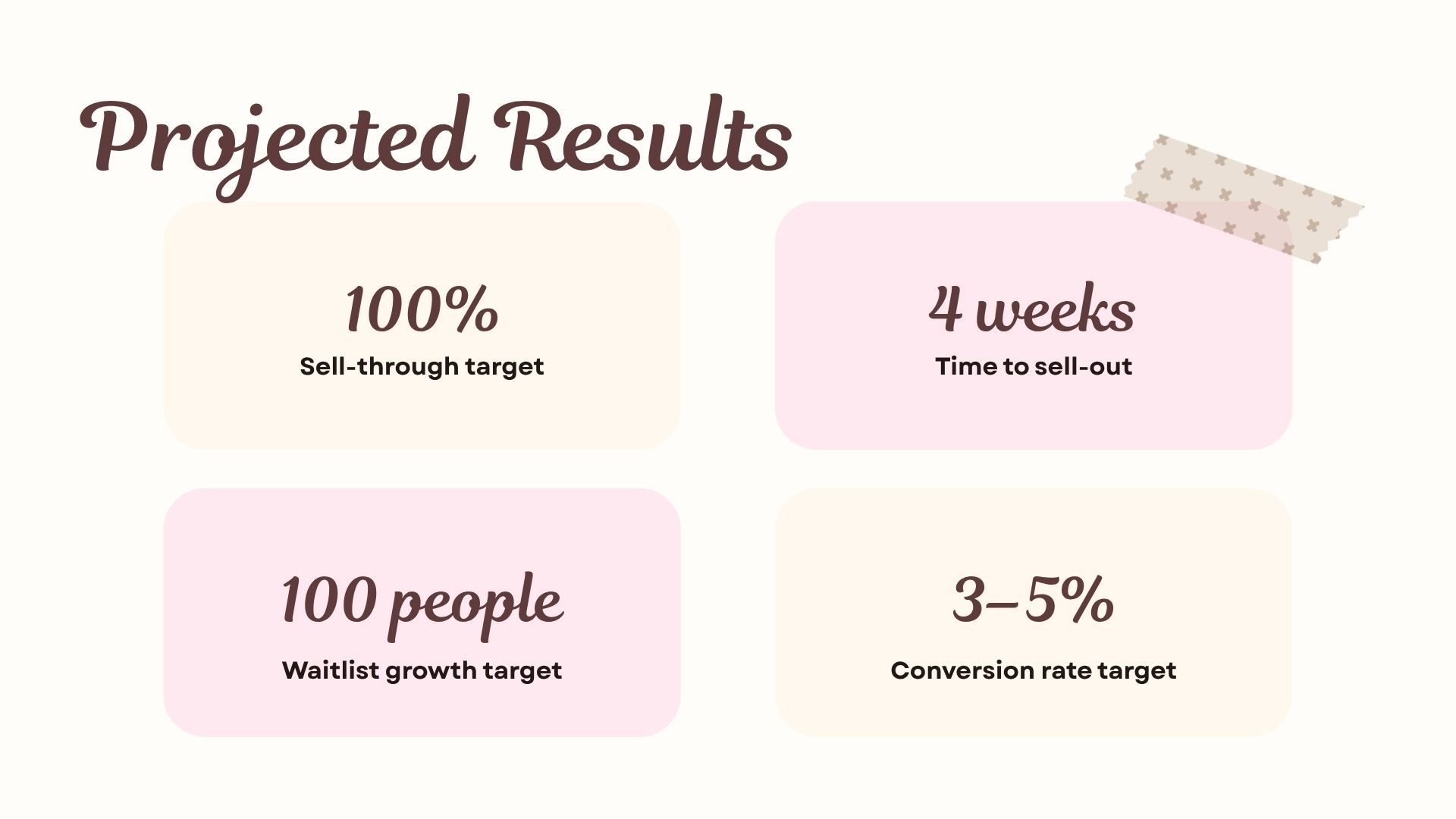
Sell out the initial production run within 4 weeks and build a 100-person waitlist for the next batch.
The Approach
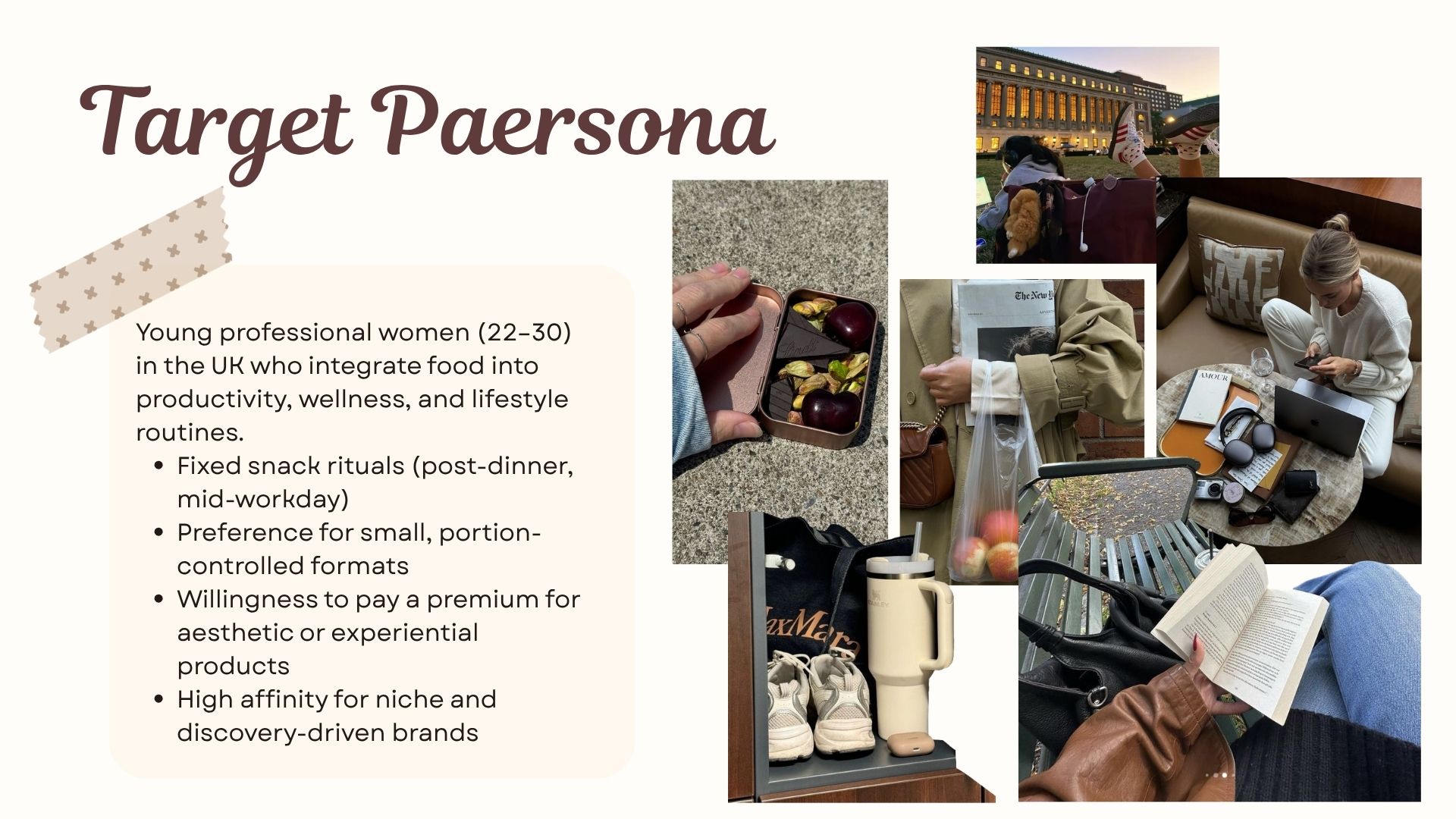
We began with customer definition and behavioral context. The product was positioned as a lifestyle indulgence, not a health product.
Key diagnostic questions:
When does the product get consumed?
What emotional job does the snack perform?
What retail environments signal trust to this consumer?
Framework:
1) Define the ICP (Ideal Customer Profile)
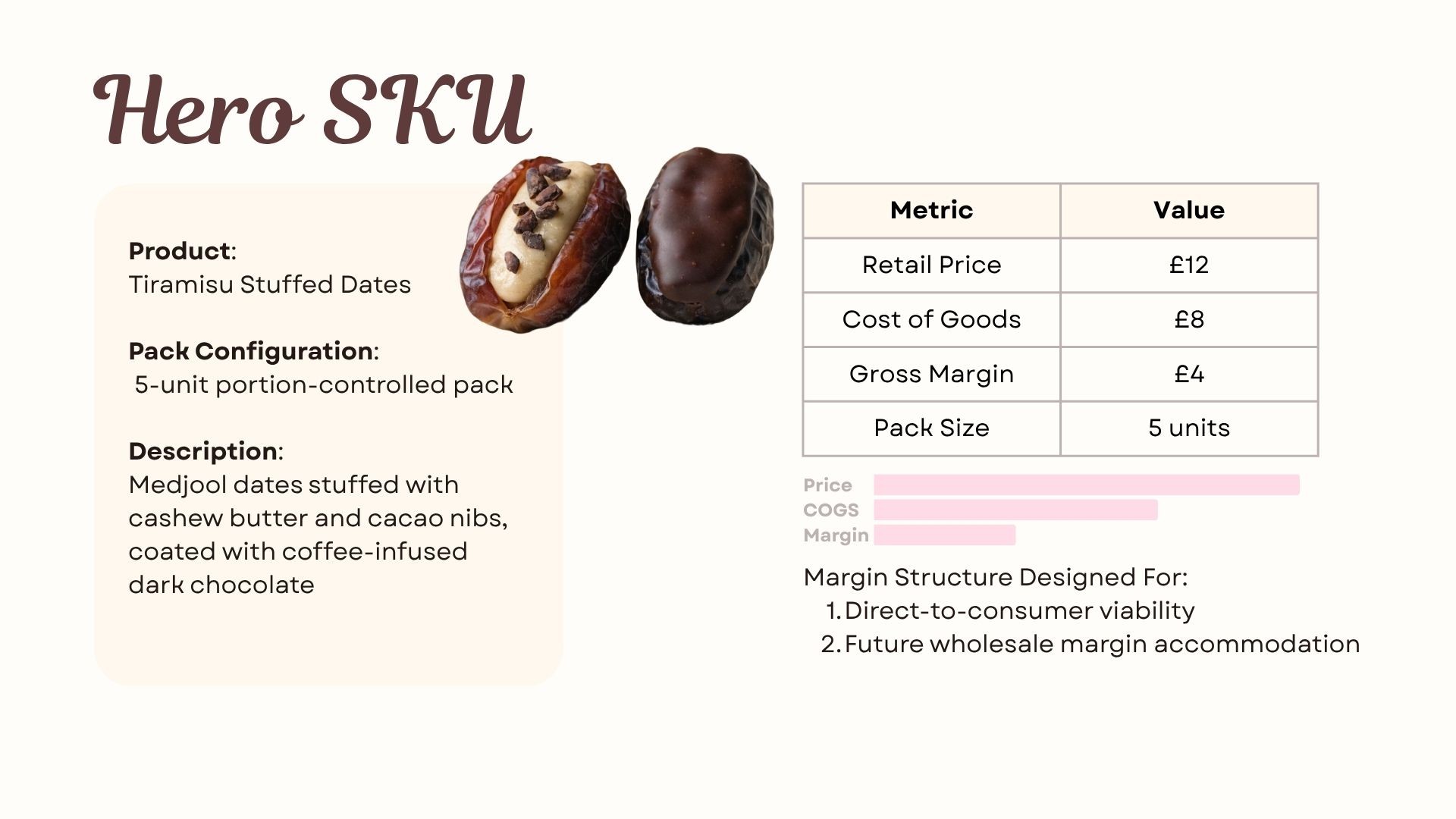
2) Launch One Hero SKU
3) Select the Shortest Path to Revenue
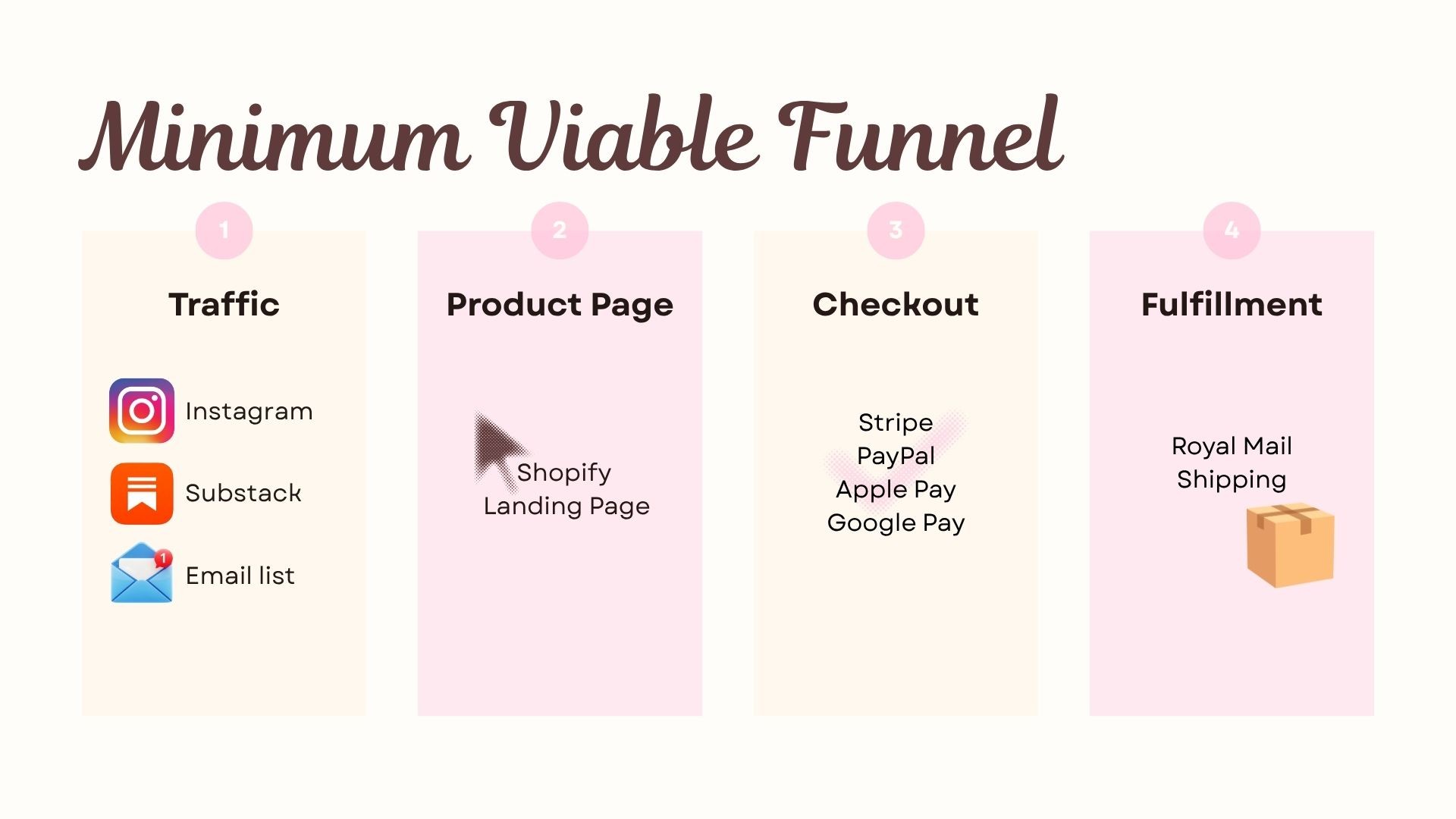
4) Build a Minimum Viable Funnel
This approach allowed us to test product-market fit, price elasticity, and purchase triggers simultaneously.
The Solution
Channel Strategy

Outcomes
Why This Work Matters for the Client
For early-stage CPG products, the highest risk is launching without a commercial system. This type of structured GTM strategy reduces three common operational inefficiencies:
1) Prevents Premature Retail Expansion
Instead of approaching retailers before validating demand, this framework establishes: sales velocity data, customer feedback, and repeat purchase signals. These metrics significantly improve buyer confidence during future retail negotiations.
2) Reduces Wasted Marketing Spend
To reduce marketing cost, the strategy prioritizes audience clarity, message-market fit, and conversion pathway validation. This ensures paid acquisition is layered onto a working system rather than pouring money into a broken channel.
3) Accelerates Time to Product-Market Fit
By focusing on a single SKU, a single customer segment, and a single funnel, the brand can:
Identify demand patterns quickly
Adjust pricing and messaging faster
Scale with operational confidence
Key Takeaways
Focused SKU strategy improves launch velocity and simplifies operations.
DTC-first validation provides the commercial proof required for retail expansion.
A minimum viable GTM system reduces risk while generating actionable demand data.